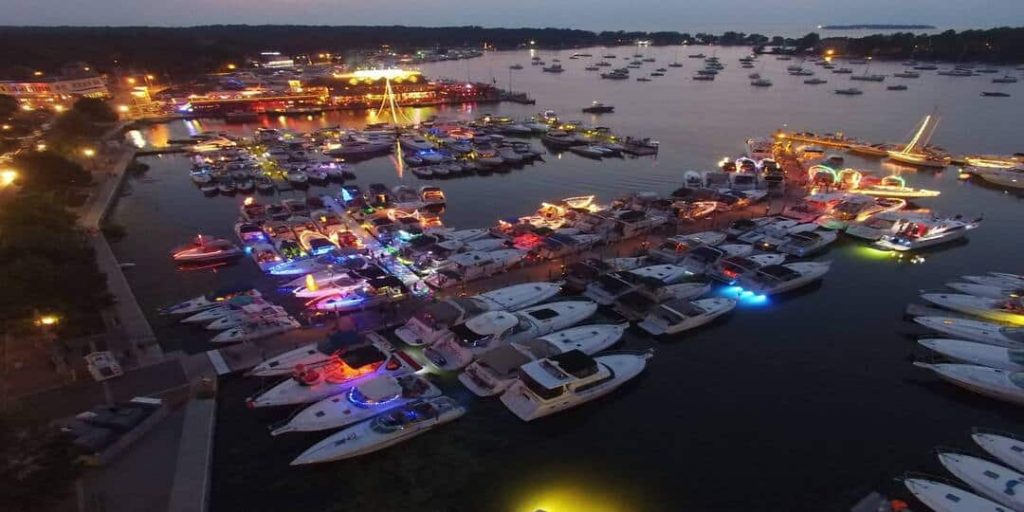
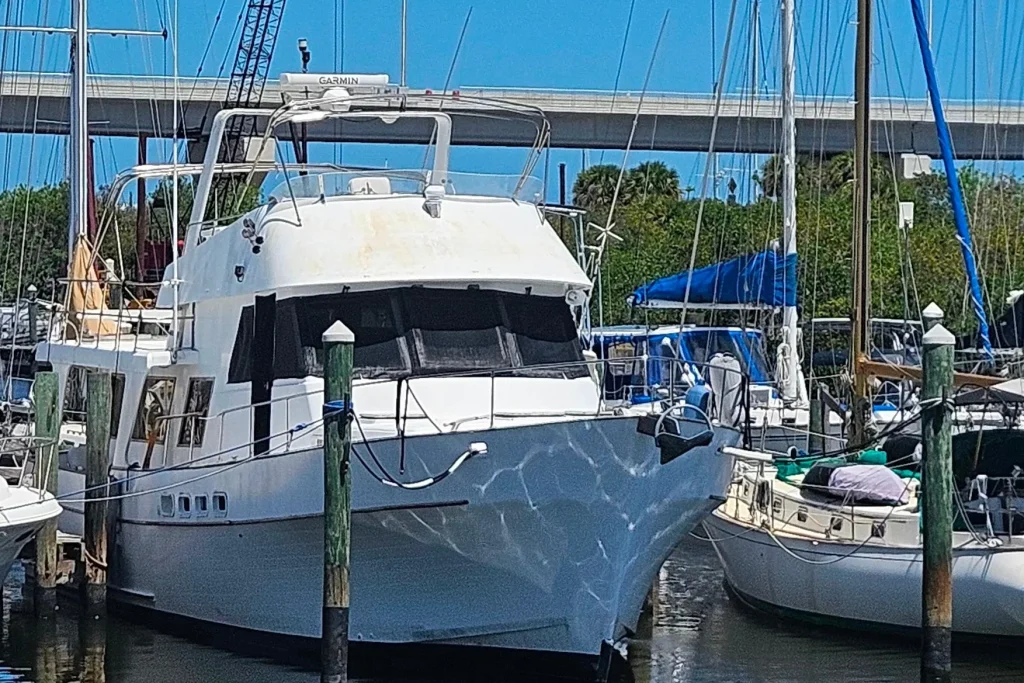
Boat transportation has been a vital part of travel, trade, and recreation for centuries, connecting communities across rivers, lakes, and oceans. Today, boats serve many purposes, from transporting cargo and passengers to supporting industries such as fishing, tourism, and emergency response. Modern vessels are equipped with advanced navigation and safety technologies, making water travel more efficient and reliable than ever before. Whether it’s a small recreational boat exploring local waterways or a massive cargo ship delivering goods around the world, boat transportation continues to play an essential role in the global economy while providing a unique and enjoyable way to experience the water.
Boat Pros
Boat transportation offers several advantages that make it an essential part of global travel and commerce. It is one of the most cost-effective methods for moving large quantities of goods over long distances, helping to keep shipping costs lower than many other forms of transportation. Boats can also access islands and remote coastal communities where roads and railways are unavailable, making them an important lifeline for people and businesses. In addition to commercial uses, recreational boating provides opportunities for fishing, sightseeing, water sports, and relaxation, allowing people to enjoy nature while supporting local tourism and waterfront economies.

Boat Cons
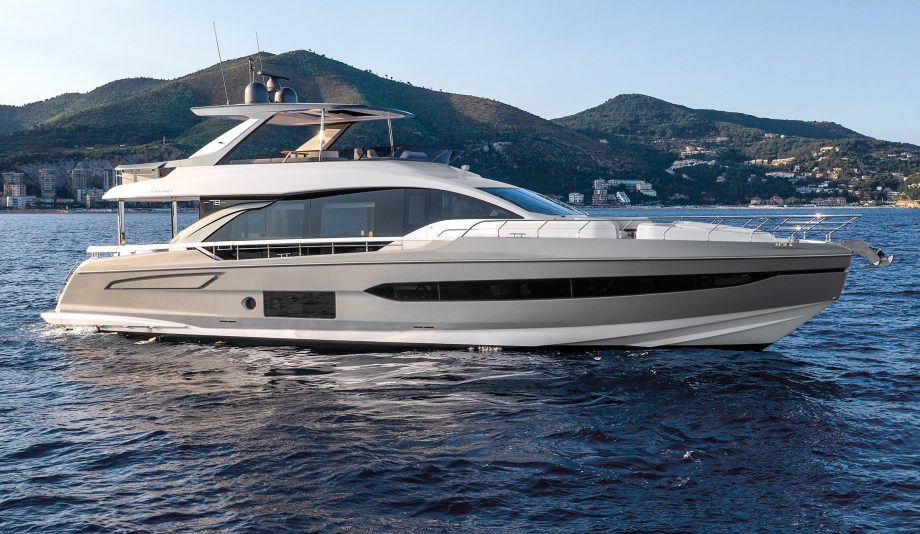
Despite its many benefits, boat transportation also has several drawbacks. Travel by water is generally slower than transportation by road, rail, or air, making it less suitable for time-sensitive deliveries or emergency travel. Boats are heavily influenced by weather conditions such as storms, high winds, fog, and rough seas, which can cause delays or create hazardous situations. Operating and maintaining boats can also be expensive due to fuel costs, repairs, docking fees, and routine maintenance. Additionally, increased boat traffic can contribute to water pollution, shoreline erosion, and disturbances to marine ecosystems if proper environmental practices are not followed.
Summary
Boat transportation remains one of the world’s most valuable and versatile methods of travel and commerce, serving both practical and recreational purposes. While it offers significant benefits such as cost-effective cargo transport, access to remote locations, and enjoyable outdoor experiences, it also comes with challenges including slower travel times, weather-related delays, and environmental considerations. Understanding both the advantages and disadvantages of boat transportation helps individuals and businesses make informed decisions about when it is the most suitable option. As technology continues to improve vessel efficiency and sustainability, boat transportation will remain an important part of connecting people, goods, and communities around the world.